5 Costly Mistakes Architects & Contractors Make When Designing Showers for Affordable Housing in Canada & the U.S.
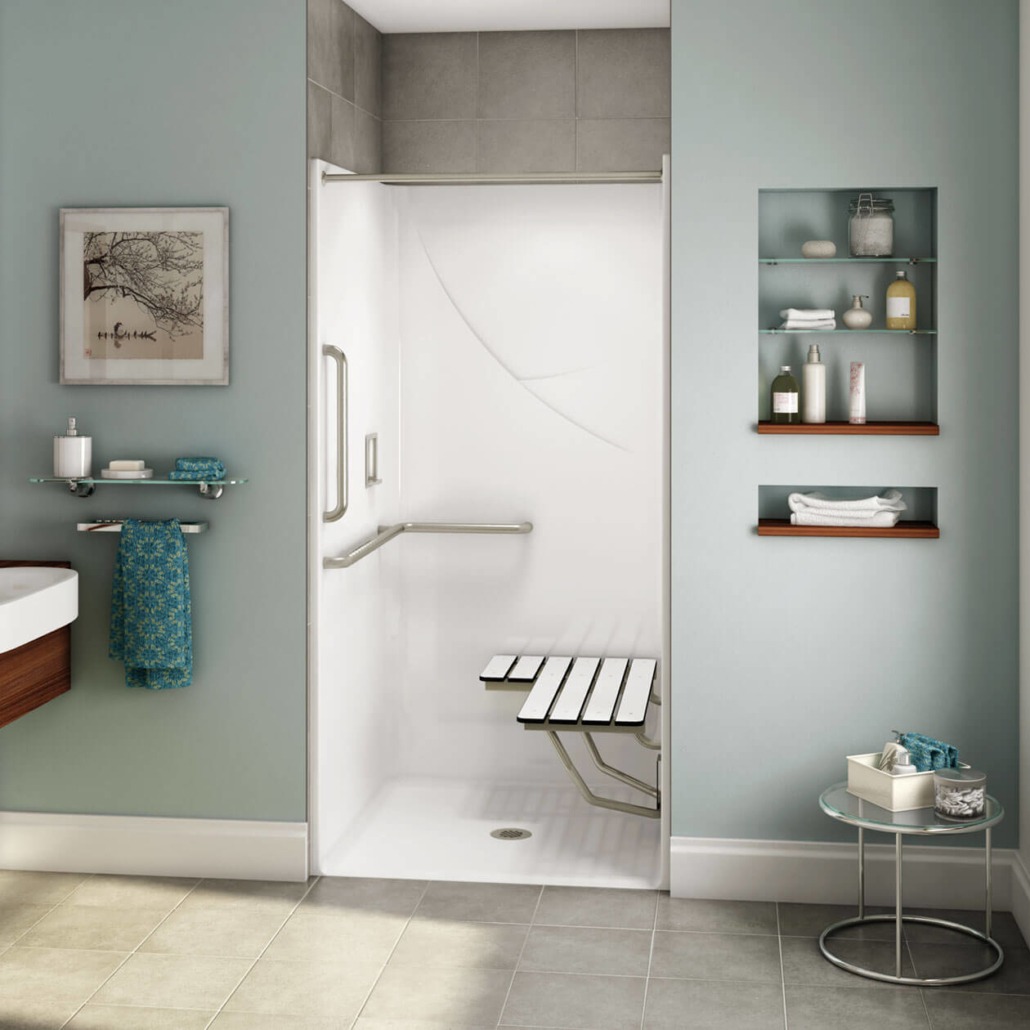
Architects, contractors, and developers working on multi-family housing must balance durability, cost, installation efficiency, and compliance. Overlooking key factors early in the process can impact timelines, budgets, and long-term performance.
Here are five common mistakes—and how to avoid them.
1. Over-Specifying Custom Tile Systems
Tile showers are widely used across North America, but they often come with higher material and labour costs. Installation can be time-consuming, and long-term maintenance—such as grout repair—can add ongoing expenses.
For many multi-family housing projects, prefabricated shower systems offer a more consistent and scalable alternative, particularly when working across multiple units.
2. Ignoring Long-Term Maintenance Costs
Focusing solely on upfront costs can lead to issues over time. In high-use residential environments, materials and construction methods are tested daily.
Common challenges in multi-unit housing include grout deterioration, moisture-related issues, and leaks—especially in affordable housing where usage is high. Considering lifecycle performance early can help reduce long-term maintenance demands.
3. Poor Drainage Design
Drainage is one of the most critical aspects of shower design. Improper slope or poorly planned drainage can lead to standing water, which may contribute to:
- Water damage
- Tenant complaints
- Premature system wear
This is a common issue in multi-family housing bathrooms across Canada and the U.S., and one that is often avoidable with proper planning.
4. Underestimating Installation Time
Construction timelines are often tight across both Canadian and U.S. projects. Complex or labour-intensive shower systems can slow down installation and increase costs.
Systems designed for efficient, repeatable installation can help streamline workflows, particularly in projects involving multiple units.
5. Overlooking Accessibility & Code Requirements
Affordable housing developments must meet strict accessibility and building code requirements across jurisdictions.
- ADA compliance in the United States
- CSA and provincial accessibility standards in Canada
Missing or misinterpreting these requirements can result in failed inspections, project delays, and additional costs to correct issues.
The Better Approach
Successful affordable housing projects across North America tend to prioritize:
- Simplicity in design and installation
- Durability in high-use environments
- Efficient installation across multiple units
- Alignment with accessibility and building codes
Standardized shower systems are increasingly being used to help reduce variability and support more predictable project outcomes.
Final Thoughts
Avoiding these common mistakes can help improve project efficiency and reduce long-term costs—whether you’re building in British Columbia, Ontario, California, or New York.
If you’re planning a multi-family development, explore solutions designed specifically for affordable housing across North America or get in touch to discuss your next project.
Related Articles
Need Help Specifying the Right Shower System?
Our team works with developers, architects, and project teams to help match products to your application.
Contact Our Team