
ADA-Compliant Shower Requirements: What Builders and Developers Need to Know
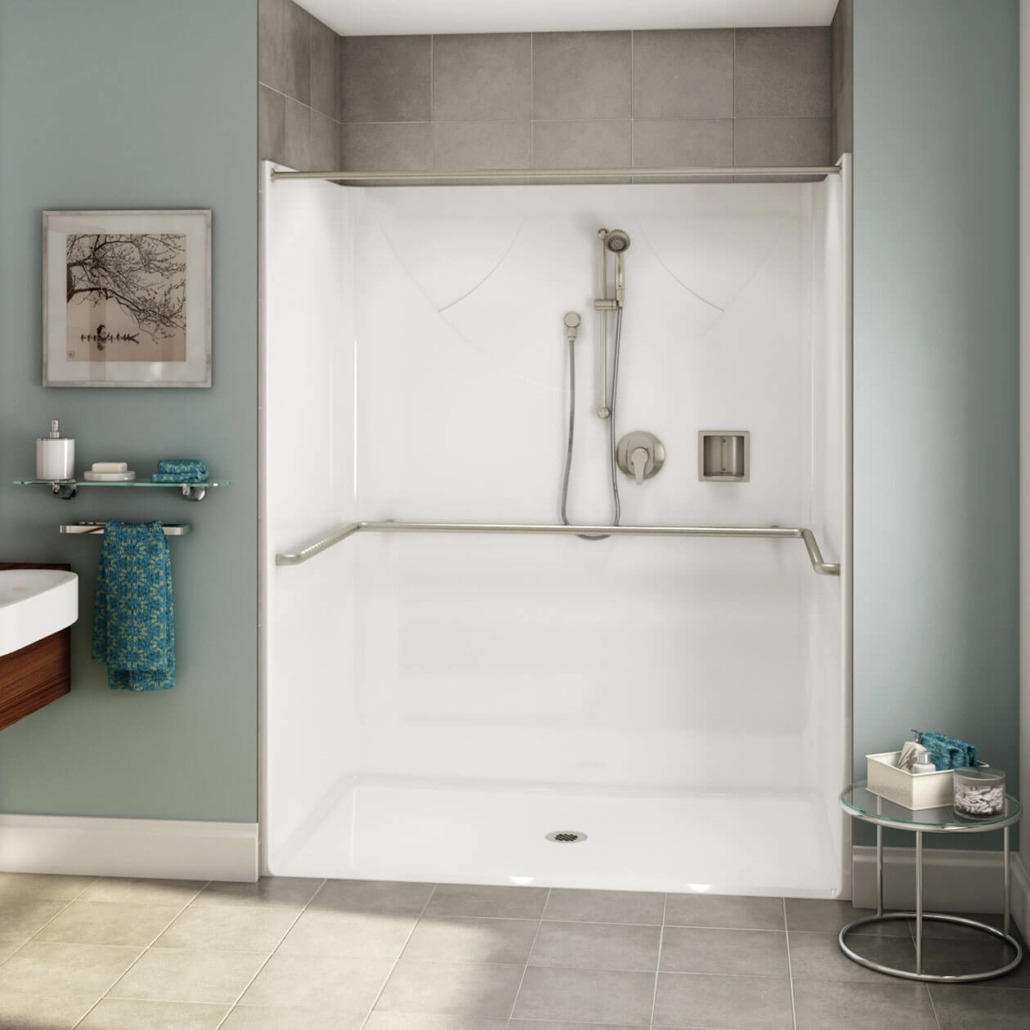
In this guide, we break down the key considerations when selecting and installing shower systems that align with accessibility standards.
Understanding ADA Shower Design Principles
The Americans with Disabilities Act (ADA) provides guidelines intended to ensure accessibility for individuals with mobility limitations. While exact requirements can vary depending on project type and jurisdiction, the core principles remain consistent: safe entry, adequate space, and proper support features.
1. Barrier-Free or Low-Threshold Entry
Accessible showers are typically designed with barrier-free or low-threshold entry points. This allows for easier access, particularly for individuals using wheelchairs, walkers, or other mobility aids.
Eliminating or minimizing step-over thresholds helps reduce tripping hazards and improves usability across a range of residents.
2. Adequate Interior Space and Clearance
Shower dimensions play a key role in accessibility. Sufficient interior space is required to allow for safe movement and positioning, particularly for wheelchair users or caregivers assisting residents.
Planning for proper clearance during the design phase helps ensure compliance and avoids costly adjustments later in the project.
3. Slip-Resistant Surfaces
Slip-resistant flooring is an essential safety feature in accessible shower design. Surfaces that provide traction can help reduce the risk of slips and falls during daily use.
This is especially important in senior living environments and facilities where safety is a primary concern.
4. Reinforced Walls for Grab Bars and Seating
Accessible showers often include features such as grab bars and built-in or fold-down seating. These elements require secure installation points within the wall structure.
Shower systems that support reinforcement for these features can help simplify installation and ensure long-term reliability.
5. Compliance with Local Building Codes
While ADA guidelines provide a strong foundation, local building codes and regional accessibility standards may introduce additional requirements. In Canada, accessibility standards vary by province but often align with similar principles focused on safety and usability.
Verifying requirements early in the planning process can help avoid delays and ensure that installations meet all necessary regulations.
Planning Ahead for Accessible Projects
Incorporating accessibility into the initial design phase is far more efficient than retrofitting later. By selecting shower systems designed with accessibility in mind, project teams can streamline installation and reduce the risk of compliance issues.
Final Thoughts
Accessible shower design is about more than compliance—it’s about creating environments that support safety, independence, and long-term usability. For builders and developers, understanding these requirements is a key step in delivering successful projects.
Related Articles
Need Help Specifying the Right Shower System?
Our team works with developers, architects, and project teams to help match products to your application.
Contact Our Team