
How to Choose the Right Shower System for Multi-Unit Housing Projects
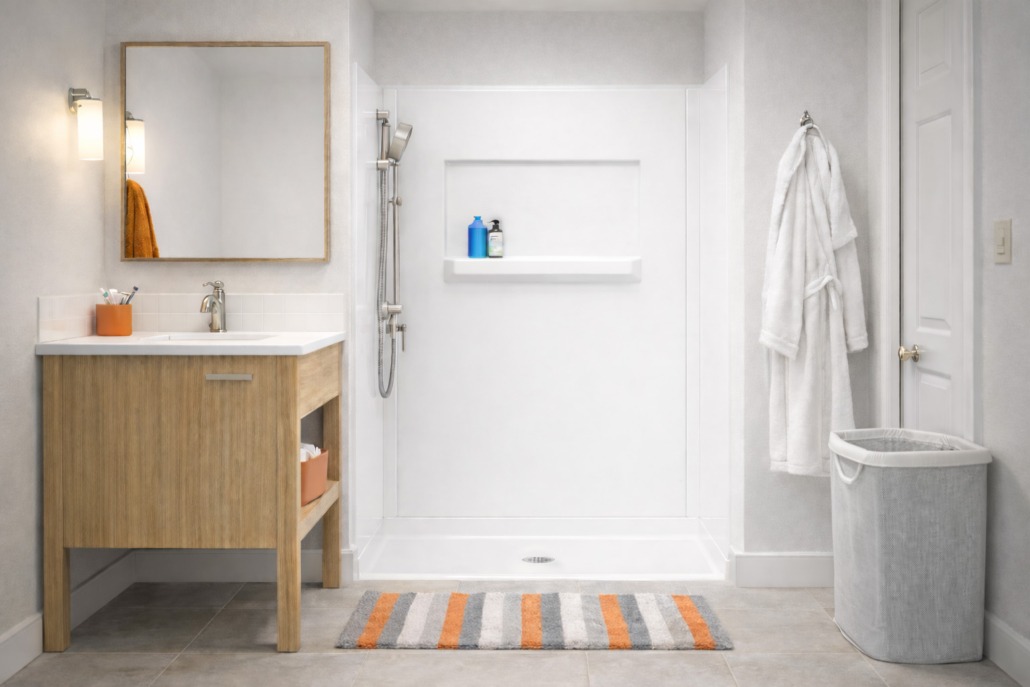
Whether you’re working on affordable housing, senior living, or large-scale residential builds, choosing the right system early can help avoid delays, inconsistencies, and costly repairs down the line.
Why Shower System Selection Matters in Multi-Unit Construction
In single-unit builds, installation flexibility is often manageable. In multi-unit projects, however, consistency becomes critical. Repeating the same installation across dozens or hundreds of units requires systems that are reliable, predictable, and easy to work with.
1. Focus on Consistency Across Units
Maintaining consistent quality across all units is one of the biggest challenges in multi-residential construction. Shower systems designed for repeatable installation can help ensure uniform results across the entire development.
This helps reduce installation variability and supports smoother project execution.
2. Evaluate Long-Term Durability
Multi-resident environments place higher demands on materials and construction. Shower systems should be selected with long-term performance in mind, particularly in high-use settings.
Durability plays a key role in reducing maintenance requirements and supporting overall building performance.
3. Consider Installation Efficiency
Installation time can significantly impact project timelines and labour costs. Systems that are designed for efficient installation can help streamline workflows and reduce delays.
This becomes especially important when coordinating multiple trades on large-scale developments.
4. Prioritize Safety Features
Safety considerations—such as slip-resistant surfaces and accessibility support—are essential in many residential projects, particularly those serving seniors or individuals with mobility challenges.
Integrating these features into the base system helps support safer environments without requiring additional modifications.
5. Plan for Accessibility and Compliance
Many multi-unit developments must meet accessibility standards and building code requirements. Selecting shower systems designed with these considerations in mind can help simplify compliance and reduce the risk of issues during inspections.
6. Think Beyond Installation: Lifecycle Performance
The true cost of a shower system extends beyond initial installation. Maintenance, repairs, and long-term performance all contribute to the total lifecycle cost.
Choosing systems that are built for durability and consistency can help reduce ongoing maintenance demands over time.
Final Thoughts
In multi-unit housing projects, small decisions scale quickly. Selecting the right shower system early in the process can help ensure smoother installations, consistent results, and better long-term outcomes.
By focusing on durability, safety, consistency, and compliance, project teams can set a strong foundation for successful developments.
Related Articles
Need Help Specifying the Right Shower System?
Our team works with developers, architects, and project teams to help match products to your application.
Contact Our Team